




How Celazole® TL-60 Redefines High-PV Wear Performance
In developing lighter, faster, more durable parts, friction is an unseen challenge. Bearings, bushings, and seals rely on their ability to withstand pressure and speed, as measured by the PV limit.
Excessive heat due to friction causes parts to overheat and fail. Selecting a durable polymer can save costly repairs.
A high-PV wear study conducted by an independent lab, comparing six leading engineering plastics, clearly demonstrated the significant performance advantages of PBI compounds under extreme tribological conditions.
The verdict was clear: Celazole TL-60, a polybenzimidazole (PBI)-based compound, delivered an extraordinary balance of endurance, stability, and cool-running performance.
When Pressure Meets Velocity
To grasp the importance of the study, it is useful to clarify what PV testing involves. “PV,” which is the product of pressure (P) and velocity (V), indicates the mechanical stress that a bearing surface must withstand. A higher PV value means more demanding conditions.
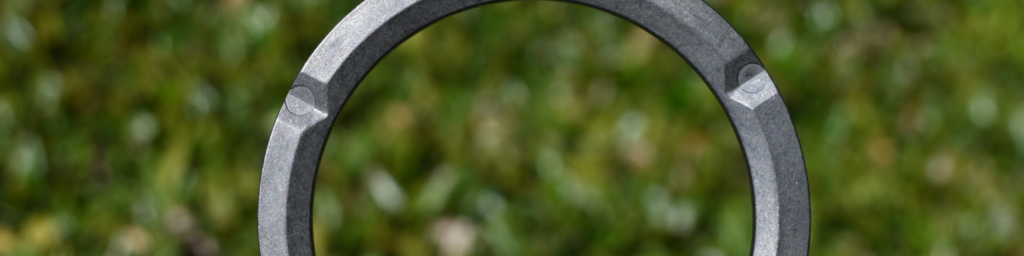
Using ASTM D-3702 as a foundation, researchers evaluated polymer thrust washers spinning non-lubricated against a smooth AISI 1018 steel counter-surface. The test spanned a 3×3 grid of conditions: three surface speeds (50, 200, and 800 ft/min) combined with pressures producing PV values up to 100,000 psi-ft/min. Surviving materials advanced to an extended round that climbed in 25,000 psi-ft/min increments until failure.
During each eight-hour run, three key metrics, wear factor, coefficient of friction, and counter-surface temperature, indicated performance: lower values indicated longer material endurance before heat and wear escalated.
Titans of the Wear-Grade World
The study examined six heavyweights in the high-performance polymer arena:
- Celazole TL-60, a proprietary blend of PBI and PEEK with a dry lubricant package, tested both as injection-molded and machined parts.
- Vespel SP-21, DuPont’s graphite-filled polyimide, has long been considered a gold standard for high-temperature applications.
- Torlon 4203L, 4275, and 4435, Solvay’s polyamide-imide (PAI) family, each with different reinforcement and lubrication packages.
- PEEK 450FC30, Victrex’s carbon- and PTFE-filled wear-grade thermoplastic.
A Clear Winner Emerges
From the initial 3×3 test matrix, Celazole TL-60 separated itself from the pack. While other polymers struggled or melted outright, TL-60’s wear rate and friction remained astonishingly low. Even under rising load and speed, it stayed cool and consistent.
Whereas Torlon 4203L melted before completing its break-in run and PEEK 450FC30 deformed halfway through the grid, TL-60 kept moving forward. By the 125,000 PV mark at the low speed condition (2,500 psi at 50 ft/min), it stood alone; every other competitor had failed. TL-60 went on to run at 200,000 PV at this speed, under 4,000 psi of load, without catastrophic damage
TL-60’s interface temperature was about 50 °F lower than Vespel SP-21’s and nearly 200 °F lower than Torlon 4275’s at 800 ft/min, indicating resistance to melt, slower thermal breakdown, longer service intervals, and increased reliability. Injection-molded TL-60 performed nearly as well as machined stock, with only slight temperature differences at high speeds due to filler orientation.
The Competition Falters
Torlon® 4435, the highest-performing PAI grade in the evaluation, completed the initial grid but could not sustain operation beyond 100,000 PV. It melted during the first extended step at 125,000 PV, a strong result for most engineering plastics, though still significantly below the endurance demonstrated by TL-60.
Torlon® 4275, formulated for reduced friction, did not achieve the intended performance outcome; it overheated and failed at 100,000 PV. The unfilled 4203L grade was unable to complete the initial test stage.
PEEK 450FC30, a common selection for demanding wear applications, highlighted the limitations of “high-performance” classifications. It exhibited a high wear factor and melted before reaching the high-speed test condition.
Only Vespel® SP-21 approached TL-60’s performance due to its thermoset structure, which prevents melting. It reached 400,000 PV at 800 ft/min, the highest PV achieved in the study. However, this result came with significant drawbacks, including elevated friction, temperatures reaching 638 °F, and specimen fracture. SP-21 tolerated speed but not pressure.
The Science Behind the Strength
Polybenzimidazole (PBI) is known for its strength and thermal stability. By compounding PBI with PEEK, engineers created a moldable polymer that combines PBI’s heat resistance with PEEK’s processability, resulting in a material with metal-like strength and low friction.
In tribological applications, maintaining lower temperatures is crucial for durability. Plastics heat up, lose their modulus, and creep under load. TL-60 stays 50–200 °F cooler than competitors, helping prevent early failure and maintain strength longer.
This advantage also decreases surface oxidation and wear, extending lifespan.
What Engineers Should Take Away
The study reinforces a well-recognized design principle: material selection cannot rely on a single performance metric. PV value alone does not determine suitability; success depends on how a polymer simultaneously manages friction, heat generation, and mechanical integrity under load.
Celazole TL-60 excels because it harmonizes all three. It wears slowly, runs cool, resists deformation, and can be molded into complex parts without losing its properties. For design teams, that means more freedom to push boundaries, whether it’s a dry-running compressor seal, a high-speed pump bushing, or a bearing that must endure both pressure and heat without lubrication.
While TL-60 commands a premium over familiar wear grades, its durability translates into longer lifespans and lower maintenance costs. In critical applications, fewer replacements often mean dramatic savings over time.

Cool, Quiet, and Unshakable
At the conclusion of the test, the evidence clearly showed the differences. The Torlon and PEEK washers melted, while the Vespel washer fractured into shards. In contrast, Celazole® TL-60 remained intact.
Request a Celazole® TL-60 sample or connect with our technical team to discuss pricing, availability, and the best grade for your next application.